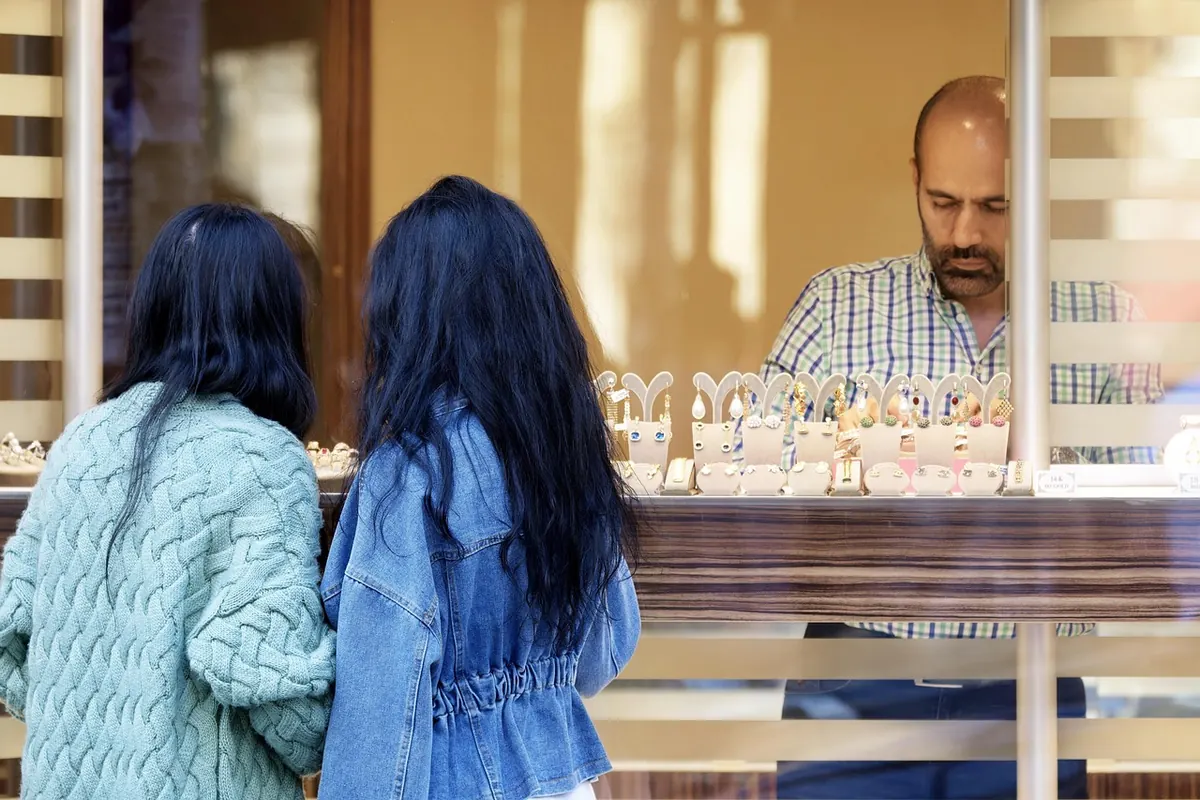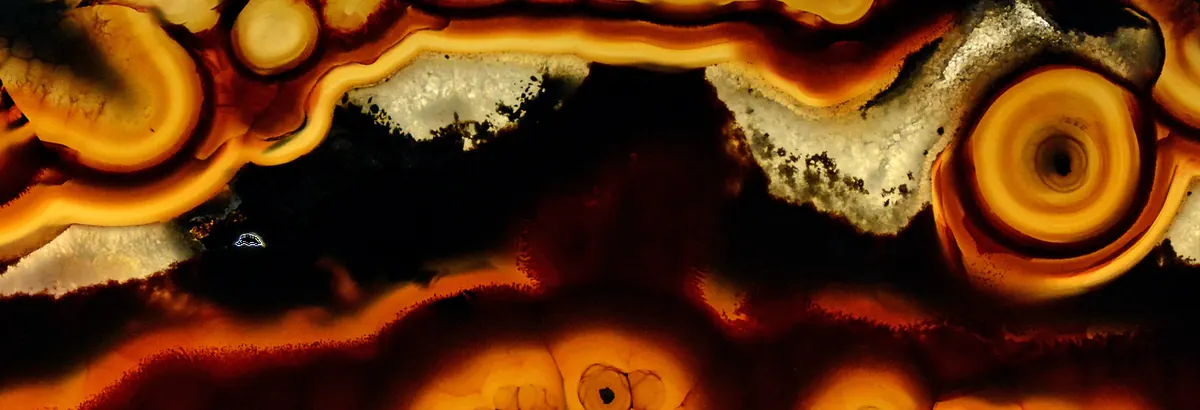
Birthstone jewellery is one of the few gifts that manages to feel personal without being complicated. The stone carries the meaning; you only have to choose the setting, the metal and the size. Get those three things right and a birthstone piece becomes the sort of present people wear for years rather than tuck into a drawer.
Below is a month-by-month guide to the stones, the gifts that genuinely get worn, and the alternatives worth knowing when the traditional choice is too soft, too expensive or simply not to the recipient's taste.
Birthstones work because they remove the hardest part of buying jewellery — deciding what to buy — while leaving all the personal decisions intact.
One practical note before you start: the birthstone lists most shops use today are the modern ones, and they differ from the older traditional lists in several months. Neither is wrong. If a friend insists their stone is sardonyx rather than peridot, or citrine rather than topaz, they are working from the traditional list and they are perfectly entitled to do so — so it always pays to ask before you spend.
The twelve birthstones at a glance
Most UK jewellers work from the modern list. If someone insists their stone is something different, they are probably using the older traditional list — both are legitimate, so it pays to check before you buy.
- January — Garnet, with rose quartz as a softer alternative
- February — Amethyst
- March — Aquamarine, or bloodstone in the traditional list
- April — Diamond, alongside white sapphire and lab-grown stones
- May — Emerald, with chrysoprase as its traditional partner
- June — Pearl, moonstone or alexandrite
- July — Ruby, or carnelian traditionally
- August — Peridot, with sardonyx and spinel also listed
- September — Sapphire, or lapis lazuli traditionally
- October — Opal, with tourmaline as the modern companion
- November — Topaz, or citrine traditionally
- December — Turquoise, tanzanite or zircon
Gift ideas for January to June
January — garnet
A deep red garnet suits yellow and white metal equally well, which makes it an easy first birthstone gift. Small studs or a single-stone pendant are safe choices. If they wear rings constantly, look for a bezel setting that protects the edges of the stone. Garnet also comes in green, orange and pink varieties — tsavorite and spessartine among them — so a January birthday who dislikes red still has options.
February — amethyst
Amethyst is one of the best-value birthstones, so your budget stretches to a bigger stone: a cocktail ring, a beaded bracelet or a teardrop pendant. It sits at a respectable 7 on the Mohs scale, hard enough for regular wear but still worth protecting from hard knocks. Purple flatters differently on everyone, so choose a design the jeweller will exchange if the shade falls flat.
March — aquamarine
Pale blue and quietly elegant, aquamarine looks lovely in silver, white gold or platinum. It copes with earrings and pendants comfortably, but it often carries internal fractures, so a protective setting is wiser than a large solitaire ring. If the March birthday prefers something deeper, a London blue topaz gives a similar mood at a lower price.
April — diamond
If a diamond is out of reach, white sapphire, moissanite and lab-grown diamonds all give a similar look. Lab-grown diamonds are chemically identical to mined ones, so that decision usually comes down to budget and provenance rather than durability. For a first piece, studs or a small pendant get far more wear than a statement ring.
May — emerald
Emeralds are commonly treated, and visible inclusions are normal rather than a fault. Keep them away from ultrasonic cleaners and household chemicals. A green tourmaline or green sapphire gives you the same colour with fewer rules attached.
June — pearl, moonstone or alexandrite
June gives you a genuine choice. Freshwater pearls are affordable and endlessly wearable; Akoya pearls are rounder and more uniform. Moonstone's soft glow sits beautifully with silver or rose gold. Whichever you pick, pearls should go on last and come off first, away from perfume and hairspray.
Gift ideas for July to December
July — ruby
Ruby is corundum, the same mineral family as sapphire, and hard enough for a ring worn every day. A slim band with a single ruby, or a ruby-and-diamond trilogy ring, covers a birthday and an anniversary at once. If the budget will not stretch to a fine red stone, a pink sapphire or a rhodolite garnet reads similarly on the hand.
August — peridot
Peridot's yellow-green is unusual and warms up nicely in yellow gold. It is softer than ruby or sapphire, so pendants and earrings will outlast a ring that gets knocked about. It is also one of the few gemstones found in meteorites, which is a good fact to have ready when you hand it over.
September — sapphire
Sapphire comes in almost every colour except red, which makes September one of the easiest months to shop for. Blue is the classic; teal, pink and yellow sapphires feel far more personal, and they wear just as well.
October — opal
Opal is soft, contains water and dislikes sudden temperature changes, so treat it as a special-occasion stone. Earrings or a pendant avoid the daily knocks a ring takes. If a ring is the goal, ask for a bezel setting with a protective rim, keep it away from the washing-up bowl and never leave it on a sunny windowsill. Tourmaline, October's modern companion, is the tougher everyday alternative.
November — topaz
Blue topaz is widely treated by irradiation, which is stable and entirely normal, and it costs far less than the sky-coloured stones it resembles. Imperial topaz, in peach and sherry tones, is the rare and expensive end of the family. Citrine, the traditional November stone, is warm, affordable and looks superb in yellow gold.
December — turquoise, tanzanite or zircon
Turquoise is porous and hates oils, soaps and sun cream — it should be the last thing on and the first thing off. Tanzanite is a striking violet-blue but softer than most, better suited to earrings or a pendant than a ring worn daily. Zircon, the oldest of the three, throws more sparkle than its price suggests.
How to choose the metal
Metal matters more than most people expect, because it changes how the stone reads. A warm garnet or citrine can look flat in cool silver and rich in yellow gold; an icy aquamarine or moonstone does the opposite. If you are buying for someone who already wears jewellery, look at what they reach for and match it.
- Yellow gold — warms red, orange and green stones: garnet, citrine, peridot, ruby.
- White gold and platinum — keep blue and colourless stones crisp: aquamarine, diamond, sapphire, zircon.
- Rose gold — flatters purple, pink and pearl: amethyst, morganite, moonstone.
- Silver — the budget-friendly option, but it tarnishes; fine for pendants and earrings, less so for a ring worn daily.
If the recipient has sensitive skin, ask about nickel content. Rhodium-plated white gold can cause reactions once the plating wears, and platinum or palladium is a safer long-term answer.
Before you buy: a five-minute checklist
- Confirm the list. Modern or traditional — check which stone they actually claim.
- Check the hardness. Anything below 7 on the Mohs scale belongs in earrings or a pendant, not a daily ring.
- Ask about treatment. Oiling, irradiation and heating are common and usually fine, but they affect care and value.
- Get the size right. Rings need a measurement; bracelets and necklaces need a length, not a guess.
- Read the returns policy. Stones look different in daylight, and a shade that disappoints should be exchangeable.
- Order early. Made-to-order settings and resizing can add two to three weeks.
None of this takes long, and it is the difference between a gift that gets worn every week and one that sits in its box. Choose the stone from the month, then choose everything else from the person.
Photo: monicore / Pixabay